# Lecture 02 - HTML 入門

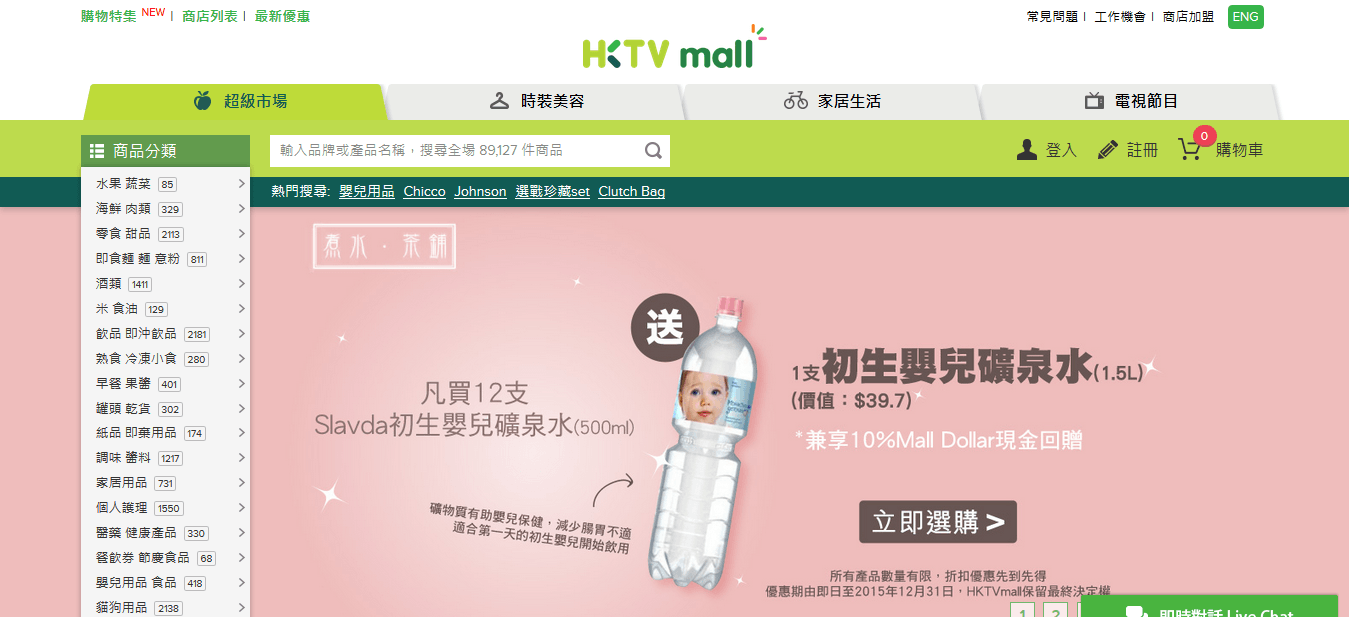
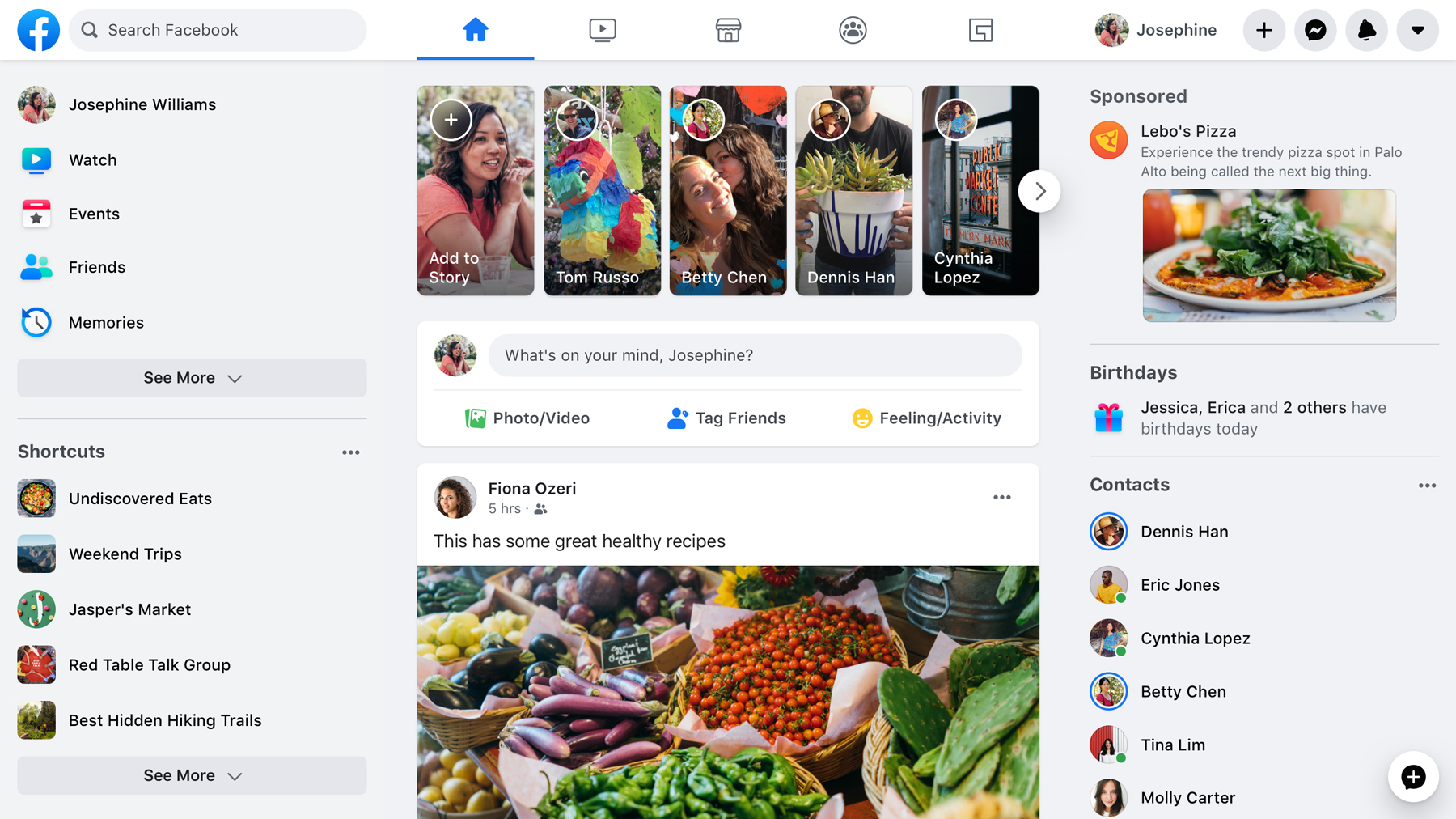
## 什麼是HTML，為什麼要使用它?

![w: 1000](https://cdn.unwire.pro/wp-content/uploads/2015/11/hktv-website-screenshot-1.png)

***

![w: 1000](https://s.yimg.com/os/creatr-uploaded-images/2020-04/aacaaf20-8945-11ea-b72f-7f929d58e392)

***

## 如何建立網站？

### Python? C++? Ruby? Java?

***

## HTML
![bg w:900](https://play-lh.googleusercontent.com/RslBy1o2NEBYUdRjQtUqLbN-ZM2hpks1mHPMiHMrpAuLqxeBPcFSAjo65nQHbTA53YYn)

***

### HTML (Hyper Text Markup Language)

(超文字標記語言)

簡而言之：

* HTML是創建網頁的標準標記語言
* HTML描述了網頁的結構
* HTML由一系列元素組成
* HTML元素告訴瀏覽器如何顯示內容
* HTML元素標記內容的不同部分，例如“這是標題”、“這是段落”、“這是鏈接”等等。

***

### HTML的優點

* ✨ 容易學習
* 💻 每個瀏覽器都支持HTML語言（跨平台）
* ⚡ HTML是輕量級(Lightweight)的，加載速度快
* 等等 ...

***

### 基本結構

`index.html`

```html
<!DOCTYPE html>
<html lang="en">
<head>
    <meta charset="UTF-8">
    <meta http-equiv="X-UA-Compatible" content="IE=edge">
    <meta name="viewport" content="width=device-width, initial-scale=1.0">
    <title>Life is Possible ar</title>
</head>
<body>
    <!-- All stuff here -->
    <h1> Hello mate </h1>
</body>
</html>
```

***

### 簡單結構

`index.html`

```html
<!DOCTYPE html>
<html lang="en">
  <head>
      <!-- All Style / CSS / Headerstuff here -->
      <!-- To define meta tags, css file, title is here -->
  </head>
  <body>
      <!-- All HTML / JS stuff here -->
      <!-- To define visible stuff and JS script here -->
  </body>
</html>
```

***

## 🏷 基本標籤

這些標籤是很重要的基礎知識

***

### `<html> </html>`

<https://developer.mozilla.org/en-US/docs/Web/HTML/Element/html>

> `<html>` 元素代表HTML文檔的根（頂級元素），因此也被稱為根元素。所有其他元素都必須是此元素的子孫元素。

也就是說，告訴電腦這個文件是一個HTML文件。

***

### `<head> </head>`

<https://developer.mozilla.org/en-US/docs/Web/HTML/Element/head>

> `<head>`元素包含有關文檔的機器可讀信息（元數據），例如其標題，腳本和樣式表。

也就是說，告訴電腦這些項目是標題，腳本和樣式表。

***

### `<body> </body>`

<https://developer.mozilla.org/en-US/docs/Web/HTML/Element/body>

> `<body>` HTML 元素表示 HTML 文檔的內容。一個文檔中只能有一個 `<body>` 元素。

也就是說，告訴電腦這些在這些標籤之間的部分是 HTML 文檔的內容。

***

`index.html`

```html
<!DOCTYPE html>
<html lang="en">
<head>
    <meta charset="UTF-8">
    <meta http-equiv="X-UA-Compatible" content="IE=edge">
    <meta name="viewport" content="width=device-width, initial-scale=1.0">
    <title>Life is Possible ar</title>
</head>
<body>
    <!-- All stuff here -->
    <h1> Hello mate </h1>
</body>
</html>
```

***

### 成品

<figure><img src="/files/M9CBGt2Nunlp8G6tLj37" alt=""><figcaption></figcaption></figure>

### 注意事項

1. 有些標籤是成對出現的，但有些標籤不是。 例如：（成對出現：`<body>...</body>`，單獨出現：`<meta>`）

請查閱文件和教程以檢查其使用方法。

***

## 基本標籤

***

### 🏷 body 標籤 (與容器相關)

#### `<div>` : 基本框盒標籤

#### `<header>` : 儲存網頁**頁首**內容

#### `<section>` : 儲存**各個區域**的內容

#### `<footer>` : 儲存網頁**頁尾**內容

***

### 規則 1

#### 通常 HTML 標籤是成對出現的

```html
   開始標籤    結束標籤
    <div>      </div>
```

```html
<div>some stuff inside the box</div>
<header>some stuff inside the box</header>
<footer>some stuff inside the box</footer>
```

***

### 規則 2

#### 標籤可以互相嵌套，只要語法正確即可

```html
<div>

  <div>hello</div>

  <div>
    <div>hello</div>
    <div>yolo</div>
  </div>

</div>
```

***

![w:900](https://res.cloudinary.com/practicaldev/image/fetch/s--KZ_olo4R--/c_limit%2Cf_auto%2Cfl_progressive%2Cq_auto%2Cw_880/https://dev-to-uploads.s3.amazonaws.com/uploads/articles/2ysa18v4r1mu3evmtiui.png)

***

![w:900](https://www.interviewbit.com/blog/wp-content/uploads/2021/10/HTML-Tree-Structure.png)

Ref: <https://www.interviewbit.com/blog/difference-between-html-and-css/>

***

```html
<!DOCTYPE html>
<html lang="en">
<head>
    <meta charset="UTF-8">
    <meta http-equiv="X-UA-Compatible" content="IE=edge">
    <meta name="viewport" content="width=device-width, initial-scale=1.0">
    <title>Hi all</title>
</head>
<body>

    <header>Hello all</header>

    <div>
        <h1>Hello</h1>
    </div>

    <footer>Bye</footer>

</body>
</html>
```

***

### 主要常用的標籤

* `<h1>–<h6>`: 標題文字標籤，用於包含文字。 <https://developer.mozilla.org/en-US/docs/Web/HTML/Element/Heading_Elements>
* `<p>`: 段落元素。 <https://developer.mozilla.org/en-US/docs/Web/HTML/Element/p>
* `<span>`: 通用的內嵌容器。 <https://developer.mozilla.org/en-US/docs/Web/HTML/Element/span>
* `<br>`: 斷行元素。 <https://developer.mozilla.org/en-US/docs/Web/HTML/Element/br>
* `<b>`: 強調元素。 <https://developer.mozilla.org/en-US/docs/Web/HTML/Element/b>

```html
<!DOCTYPE html>
<html lang="en">
<head>
    <meta charset="UTF-8">
    <meta http-equiv="X-UA-Compatible" content="IE=edge">
    <meta name="viewport" content="width=device-width, initial-scale=1.0">
    <title>Hi all</title>
</head>
<body>

    <h1>Hello</h1>
    <h2>Hello 2</h2>
    <h3>Hello 3</h3>

    <br>

    <p>Yoooo</p>
    <span>Apple</span>
    <b>I am strong</b>

</body>
</html>
```

***

## 主要常用的標籤

* `<img>`: 圖片嵌入元素。 <https://developer.mozilla.org/en-US/docs/Web/HTML/Element/img>
* `<hr>`: 分隔線 (水平線) 元素。 <https://developer.mozilla.org/en-US/docs/Web/HTML/Element/hr>
* `<a>`: 錨點元素。 <https://developer.mozilla.org/en-US/docs/Web/HTML/Element/a>

***

```html
<!DOCTYPE html>
<html lang="en">
<head>
    <meta charset="UTF-8">
    <meta http-equiv="X-UA-Compatible" content="IE=edge">
    <meta name="viewport" content="width=device-width, initial-scale=1.0">
    <title>Hi all</title>
</head>
<body>

  <a href="https://youtu.be/dQw4w9WgXcQ"> Funny youtube video </a>

  <hr>

  <img 
    src="/media/orange.jpg"
    alt="I am a orange"
  >

</body>
</html>
```

***

* `<ul>`, `<ol>`, `<li>`: 無序清單、有序清單和清單項目。
* [https://developer.mozilla.org/en-US/docs/Web/HTML/Element/ul ](<https://developer.mozilla.org/en-US/docs/Web/HTML/Element/ul >)
* [https://developer.mozilla.org/en-US/docs/Web/HTML/Element/ol ](<https://developer.mozilla.org/en-US/docs/Web/HTML/Element/ol >)
* <https://developer.mozilla.org/en-US/docs/Web/HTML/Element/li>

***

稍後會在 JS 課程中進一步介紹。

* `<button>`
* `<form>`
* `<input>`
* `<option>`

***

查看此處以了解我們可以在 HTML 中使用什麼：&#x20;

<https://developer.mozilla.org/en-US/docs/Web/HTML/Reference>

**‼ 記住：搜尋 Google 和文件是編碼的關鍵。 ‼**

***

## Lab 01 - 嘗試複製網站

嘗試使用 html 代碼編寫相關圖像。<br>

<figure><img src="/files/1pKxRUSBoJo2ypVbXGTw" alt=""><figcaption></figcaption></figure>

註： 😀 是一個表情符號。

***

## Lab 02 - 自我介紹

使用以下模板，嘗試用 HTML 頁面介紹自己。 (中英文都可以)

```html
<!DOCTYPE html>
<html lang="en">
<head>
    <meta charset="UTF-8">
    <meta http-equiv="X-UA-Compatible" content="IE=edge">
    <meta name="viewport" content="width=device-width, initial-scale=1.0">
    <title>Peter homepages</title>
</head>
<body>
  <!-- Your content -->
</body>
</html>
```

你的網頁**應包含Must**以下內容：

* 📃 名字和簡短介紹
* 📚 分享4個喜愛的事物，3個朋友的名字等等
* ✏ 適當的佈局和UI設計

你也**可以包含Should**以下內容：

* ✨ 其他你能想到的內容...

完成後，你會有30-60秒的時間向其他人展示你的網站。將`site.html`重新命名為 `<your-name>_l01_lab02.html`，例如 `peter_l01_lab02.html` 。

你可以將網站提交到以下google表格中： （連結將在課堂時間分享）

***

## 額外閱讀 (英語)

* w3school HTML教程&#x20;

<https://www.w3schools.com/html/>

* 如何為實際網站結構化HTML&#x20;

<https://zellwk.com/blog/html-structure/>


---

# Agent Instructions: Querying This Documentation

If you need additional information that is not directly available in this page, you can query the documentation dynamically by asking a question.

Perform an HTTP GET request on the current page URL with the `ask` query parameter:

```
GET https://reemo.gitbook.io/life-is-possible-web-apps-workshop-sheng-ming-jiao-yu-shou-ji-cheng-shi-gong-zuo-fang/lecture-chinese/lecture-02-html-ru-men.md?ask=<question>
```

The question should be specific, self-contained, and written in natural language.
The response will contain a direct answer to the question and relevant excerpts and sources from the documentation.

Use this mechanism when the answer is not explicitly present in the current page, you need clarification or additional context, or you want to retrieve related documentation sections.